Identify the vessels involved in different stroke syndromes
according to the physical findings
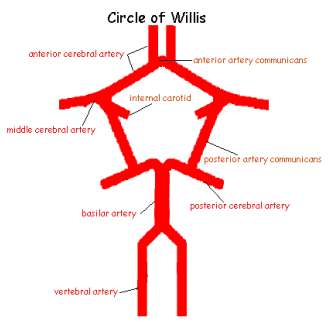
Explanation: The Internal carotid artery (branch of the common carotid) divides into the middle and anterior cerebral arteries. The verterbral arteries from the left and the right join in the base of the skull to form the basilar artery which later on divides into the right and left posterior cerebral arteries. The anterior cerebral and posterior cerebral communicate using the posterior communicating artery. The two anterior cerebrals communicate using the anterior communicating artery..
| ARTERY | FINDINGS |
| Anterior Cerebral | Legs weaker than arms, frontal lobe signs (agitation, lack of motivation) |
| Middle Cerebral | Aphasia, arms weaker than legs, Contralateral hemiplegia and hemianopia |
| Posterior Cerebral | Visual hemianopia |
| Basilar | Cortical blindness (blind with preserved pupillary reflexes) |
| Vertebral | The most common clinical features included vertigo (57%), unilateral facial paresthesia (46%), cerebellar signs (33%), lateral medullary signs (26%) and visual field defects (15%). |
| Internal Carotid | |
| Lacunar strokes |